Aluminium Boat Trailers v Galvanised Boat Trailers

Trailer Maintenance & Towing

Aluminium Boat Trailers V Galvanised Boat Trailers – Watsons Marine Centre

You’ve found the perfect boat. – Now comes the decision that many boat owners underestimate—the trailer.

It might not be the most exciting purchase, but it could be the difference between effortless weekends on the water and years of expensive repairs, frustrating towing, and constant maintenance.

Choosing between an aluminium boat trailer and a galvanised steel trailer is more than a simple price comparison. Your trailer choice directly influences towing safety, hull protection, launch and retrieval performance, and long‑term durability in Australia’s harsh coastal environment.

A well‑matched trailer provides better towing stability, superior corrosion resistance, smoother ramp handling and reduced maintenance over time. Understanding the real‑world pros and cons of each trailer type helps you select the option that delivers the best performance, longevity and value for your boating lifestyle.

This guide gives you clear, practical insights so you can confidently choose the right trailer and enjoy safer, easier and more reliable boating.

Choosing the right trailer is about more than corrosion resistance alone. The trailer you select will influence towing performance, maintenance requirements and long-term ownership costs. Understanding your vehicle’s towing limits is equally important, which is why our Boat Towing Weights Explained guide is recommended reading. Regular inspections and safe boating practices also contribute to a better ownership experience, making our Storm Preparation for Boats and Boat Steering – Past, Present and Future resources valuable next steps.


Should I Buy an Aluminium Boat Trailer or a Galvanised Steel Trailer?

There isn’t a one-size-fits-all answer.

The best trailer depends on where you launch, how often you tow, the size of your boat, your budget, and how long you plan to keep the boat.

Buy the right trailer and you’ll enjoy:

  • Safer highway towing
  • Easier launching and retrieval
  • Better fuel economy
  • Less maintenance
  • Greater protection for your boat’s hull
  • Higher resale value
  • Years of dependable performance

Choose the wrong trailer and you may experience:

  • Premature corrosion
  • Poor towing stability
  • Uneven hull support
  • Costly repairs
  • Increased tyre and bearing wear
  • Difficult launching at busy boat ramps
  • Reduced resale value

That’s why selecting a trailer isn’t just about finding one that fits your boat—it’s about finding one engineered for the way you actually boat.

At Watsons Marine, we’ve been helping Queensland boating families choose the right trailers for more than 60 years. During that time we’ve matched thousands of aluminium boats, fibreglass boats, plate boats, dual hull boats, offshore fishing boats, family boats and tinnies with trailers built to perform in Australia’s demanding marine environment.

In this complete buying guide, you’ll discover:

  • The real differences between aluminium and galvanised trailers
  • Which trailer lasts longer in Australian saltwater
  • Which option costs less over the long term
  • How trailer weight affects towing and fuel economy
  • Common mistakes buyers make
  • Which trailer is best for your style of boating
  • Expert buying advice from marine specialists

By the end, you’ll know exactly which trailer gives you the best value—not just today, but for years to come

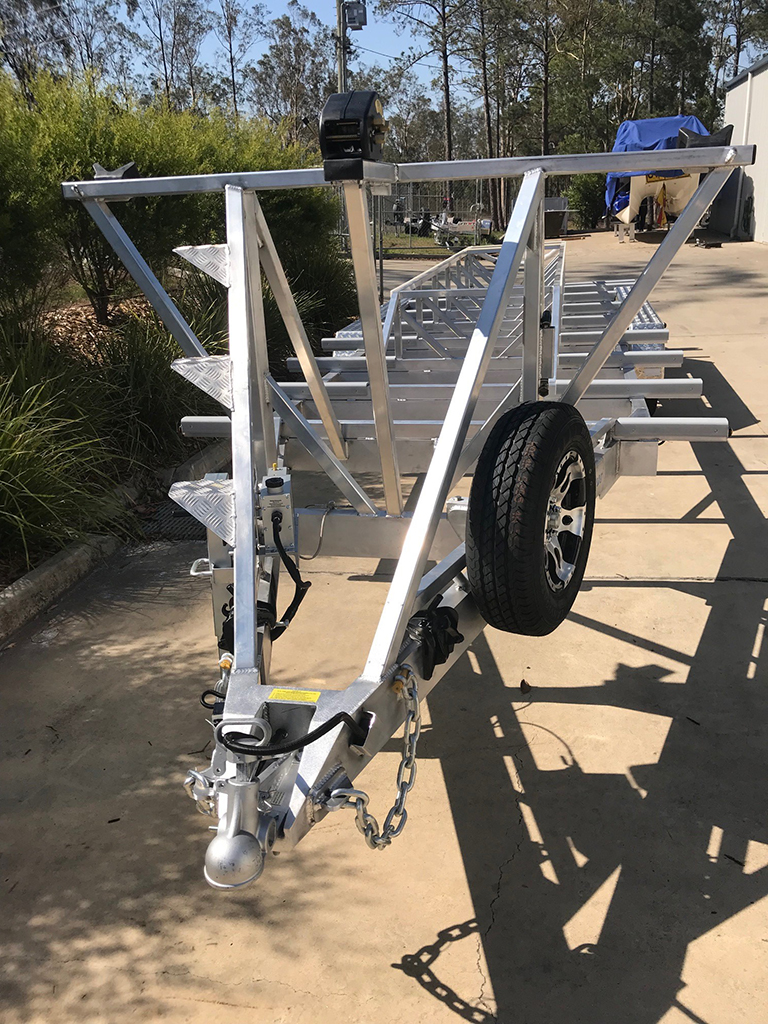
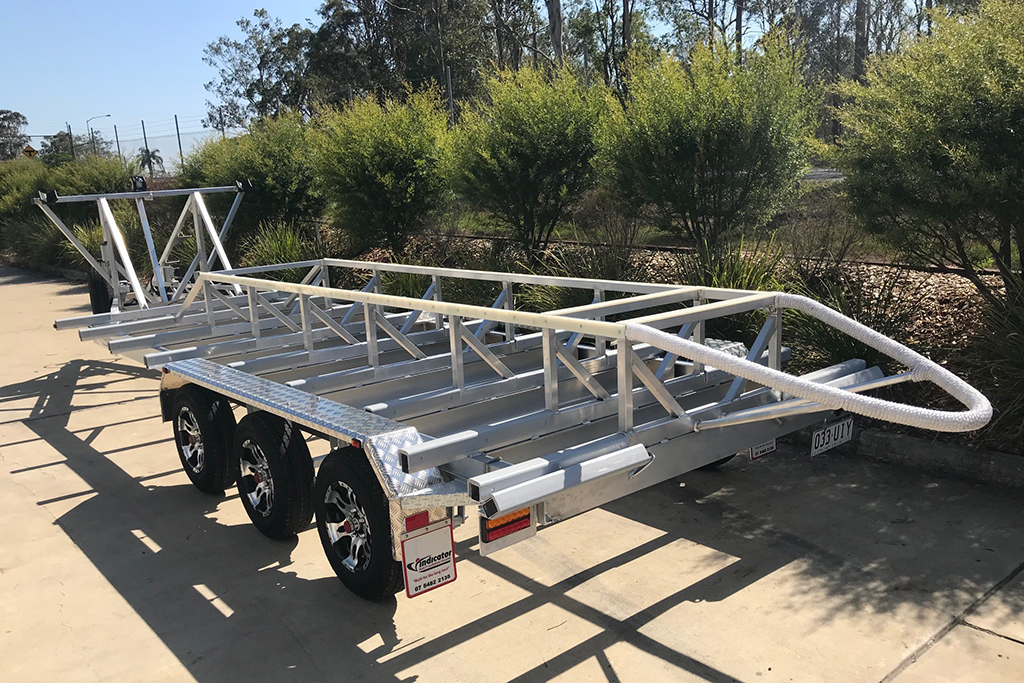
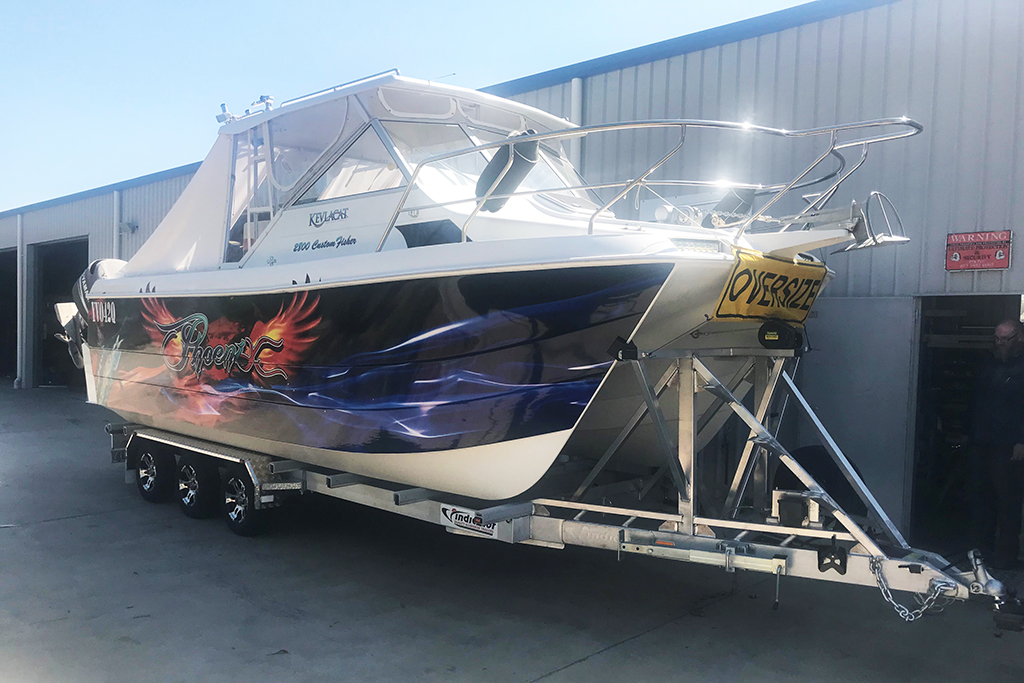
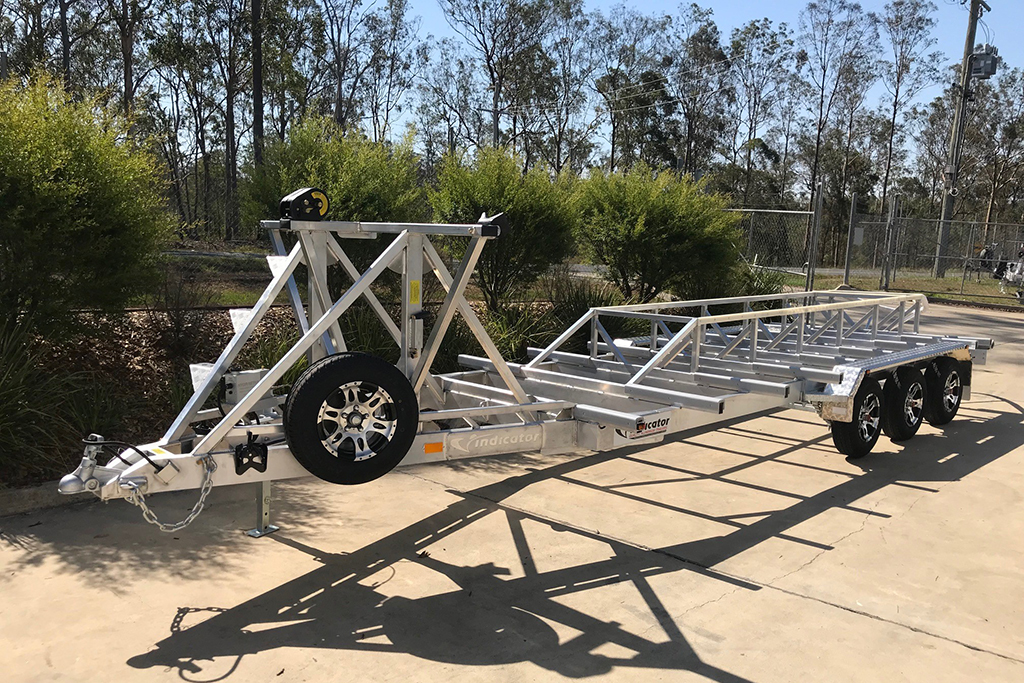
Vindicator Aluminium Trailer for Fibreglass

Why Your Boat Trailer Is More Important Than Most People Realise

Your trailer isn’t simply a way to get your boat to the water.

It’s responsible for protecting one of your biggest investments every single kilometre you travel.

Every pothole, corner, speed bump and highway journey places enormous stress on your boat. A properly designed trailer spreads that load evenly across the hull, reducing movement and preventing unnecessary strain.

The result? — A safer tow. – A smoother ride. – Less wear on your boat. – And far greater confidence every time you head to the boat ramp.

A quality trailer also makes launching and retrieving dramatically easier, especially on busy ramps where every minute counts. Many buyers think trailer selection is simply based on boat length. In reality, professional trailer matching considers far more than that.

Marine specialists assess:

  • Overall boat length
  • Hull design and deadrise
  • Total boat weight
  • Engine size and weight
  • Fuel capacity
  • Batteries and accessories
  • Towing vehicle limits
  • Tow-ball weight
  • Axle placement
  • Weight distribution
  • Intended use (freshwater, estuary or offshore)

When every one of these factors is balanced correctly, the difference is immediately noticeable. Your boat launches easily. It retrieves straighter. It tows with greater stability. Your suspension works better. Tyres wear more evenly. Your fuel economy improves. Most importantly, your boat is properly protected every time you travel.

Aluminium Boat Trailers vs Galvanised Boat Trailers

Both aluminium and galvanised boat trailers are proven performers in Australian conditions.

Neither is automatically the better choice.

The real question is:

Which trailer best suits the way you use your boat?

Aluminium Boat Trailers

Ideal for boat owners who:

✔ Launch regularly in saltwater

✔ Tow long distances

✔ Want the lowest possible maintenance

✔ Value lighter towing weight

✔ Plan to keep their trailer for many years

Key Benefits

✔ Lighter weight for easier towing

✔ Outstanding corrosion resistance

✔ Very low maintenance

✔ Improved fuel efficiency

✔ Excellent resale value

✔ Premium appearance

Things to Consider

✔ Higher initial investment

For many serious offshore anglers and frequent boat users, the long-term benefits often outweigh the higher purchase price.


Galvanised Boat Trailers

Ideal for boat owners who:

✔ Want a lower upfront purchase price

✔ Use their boat less frequently

✔ Primarily launch from boat ramps

✔ Are happy to perform regular maintenance

✔ Need a strong, proven trailer solution

Key Benefits

✔ More affordable purchase price

✔ Extremely strong construction

✔ Excellent corrosion protection

✔ Proven Australian performance

✔ Very good resale value

Things to Consider

✔ Heavier towing weight

✔ Requires more ongoing maintenance

✔ Can eventually show signs of corrosion if neglected

With proper care and regular washing, a quality galvanised trailer can provide many years of reliable service.


Quick Comparison

Weight:

Aluminium Trailer

✔ Lighter

✔ Easier to tow

✔ Less load on the tow vehicle

✔ Improved fuel economy

Galvanised Trailer

✔ Heavier

✔ Extremely stable towing characteristics


Corrosion Resistance

Aluminium Trailer

✔ Outstanding resistance to corrosion

✔ Ideal for frequent saltwater use

Galvanised Trailer

✔ Excellent corrosion protection

✔ Performs exceptionally well when properly maintained


Maintenance

Aluminium Trailer

✔ Very low maintenance

✔ No rust concerns

Galvanised Trailer

✔ Requires regular washing and inspection

✔ Ongoing maintenance helps maximise lifespan


Purchase Price

Aluminium Trailer

✔ Higher initial investment

✔ Lower long-term maintenance costs

Galvanised Trailer

✔ More affordable purchase price

✔ Excellent value for many boat owners


Resale Value

Aluminium Trailer

✔ Excellent resale value

✔ Highly sought after in the used market

Galvanised Trailer

✔ Very good resale value

✔ Strong demand for quality trailers


The Numbers Only Tell Part of the Story

The biggest difference isn’t found on a specification sheet.

It’s how the trailer fits into your boating lifestyle.

If you’re regularly launching in saltwater, travelling long distances, or simply want the lowest possible maintenance, an aluminium trailer can be an outstanding long-term investment.

If you’re looking for a strong, reliable and cost-effective trailer that will provide years of dependable service, a quality galvanised trailer may be the perfect solution.

The best trailer isn’t necessarily the most expensive one.

It’s the one that suits your boat, your towing vehicle, your boating habits and your budget.

That’s why we take the time to understand how you use your boat before recommending a trailer solution.

Vindicator Aluminium Trailer
Custom Trailers for Sale - Gympie
Vindicator Aluminium Trailer

Why More Australian Boaters Are Choosing Aluminium

Built to Fight Saltwater

Saltwater is relentless.

It attacks metal, electrical components, bearings and every exposed part of a trailer.

Marine-grade aluminium is naturally resistant to corrosion, making it one of the best choices for Queensland’s coastal lifestyle.

Whether you’re launching in Moreton Bay, the Whitsundays or your local estuary every weekend, aluminium is designed to stand up to the elements.

Easier to Tow

Weight matters more than most people realise.

Because aluminium trailers are significantly lighter than comparable steel models, they place less load on your tow vehicle.

That translates into:

  • Better fuel economy
  • Easier acceleration
  • Shorter braking distances
  • Simpler reversing
  • Improved handling
  • Reduced vehicle wear
  • Less driver fatigue on long trips

For anyone travelling hundreds of kilometres to their favourite fishing destination, the difference is noticeable.

Spend More Time Boating—Less Time Maintaining

Nobody buys a boat to spend weekends maintaining the trailer.

Aluminium reduces many of the maintenance headaches associated with traditional steel trailers.

Routine servicing is still essential, but maintenance generally involves:

  • Washing after saltwater use
  • Checking wheel bearings
  • Inspecting brakes
  • Testing lights
  • Lubricating moving parts

With fewer corrosion concerns, many owners enjoy more time on the water and less time in the driveway.

Better Long-Term Value

Premium trailers usually retain their value.

Because aluminium remains cleaner, resists corrosion and maintains its appearance for longer, buyers are often willing to pay more on the second-hand market.

That stronger resale value helps offset the higher initial purchase price.

For many owners, the trailer actually costs less over its lifetime than expected.

Is an Aluminium Trailer Right for You?

An aluminium trailer is an excellent investment if you:

  • Launch in saltwater most weekends
  • Travel long distances
  • Own a premium fishing boat
  • Want the lowest maintenance option
  • Plan to keep your trailer for many years
  • Value easier towing and stronger resale value

For serious boat owners, it’s often a purchase you only make once.

Sea Jay 460 Ranger
Sea Jay 460 Ranger
Sea Jay 460 Ranger

Galvanised Boat Trailers: Proven Strength, Outstanding Value

While aluminium trailers have surged in popularity, galvanised steel trailers continue to be the first choice for thousands of Australian boat owners every year—and for good reason.

They’re tough, dependable and built to handle everything from weekend fishing trips to long highway journeys.

If you’re looking for exceptional strength, proven durability and excellent value for money, a quality galvanised trailer remains one of the smartest investments you can make.

The secret to their longevity lies in the manufacturing process.

After the steel frame is fabricated, it’s hot-dip galvanised, coating every surface with a thick layer of zinc. This protective barrier shields the steel from moisture, salt and corrosion, dramatically extending the trailer’s lifespan.

With proper care, a galvanised trailer can deliver decades of reliable service in Australia’s harsh marine environment.

Redco Trailer Gympie

Why Australian Boaters Continue to Choose Galvanised Trailers?

Exceptional Structural Strength

Steel has long been trusted for its incredible strength and rigidity.

That strength provides confidence when towing larger or heavier boats, especially over long distances or on rough Australian roads. Whether you’re heading to your favourite local boat ramp or towing hundreds of kilometres for a fishing trip, a galvanised trailer delivers a solid, stable towing experience.

They’re perfectly suited for:

  • Aluminium fishing boats
  • Fibreglass boats
  • Family runabouts
  • Centre console boats
  • Plate boats
  • Larger offshore fishing vessels

When correctly matched to your boat, a galvanised trailer provides excellent support for the hull, helping distribute weight evenly and reducing unnecessary stress during transport.

Outstanding Value for Money

One of the biggest reasons buyers choose galvanised trailers is simple—they offer exceptional performance at a more affordable purchase price. For first-time boat owners or families working within a budget, that lower upfront cost can make owning a quality trailer much more accessible.

Importantly, choosing a galvanised trailer doesn’t mean compromising on safety or reliability. Modern galvanised trailers are engineered using advanced manufacturing techniques and quality components, delivering years of dependable performance when maintained correctly. For many recreational boaters, they represent the best balance between cost and long-term durability.

Built for Australian Conditions

Australia presents some of the toughest conditions for any boat trailer.

Intense UV exposure – Salt-laden coastal air – Rough regional roads -Long towing distances – Frequent launching and retrieval.

Quality galvanised trailers are specifically designed to handle these challenges. The hot-dip galvanised coating protects the steel frame from corrosion, while the robust construction is engineered to withstand repeated loading, heavy towing and demanding marine environments. It’s one of the reasons galvanised trailers have earned such a strong reputation across Australia’s boating industry.

 Easy to Maintain

Every trailer benefits from regular servicing, regardless of the material it’s made from .Galvanised trailers simply require a little more attention to keep them performing at their best. Fortunately, maintenance is straightforward and can significantly extend the trailer’s lifespan.

A simple routine should include:

  • Rinsing thoroughly with fresh water after every saltwater launch
  • Inspecting the galvanised coating for chips or damage
  • Servicing wheel bearings at recommended intervals
  • Checking brakes and brake components
  • Inspecting tyres for wear and correct pressure
  • Examining safety chains, winches and rollers
  • Ensuring lights and wiring remain in good working order

These regular inspections not only help prevent corrosion but also improve towing safety and reduce the likelihood of unexpected repairs.

 Excellent Long-Term Reliability

One of the biggest reasons galvanised trailers remain so popular is their proven track record. For decades, they’ve been trusted by recreational boaters, commercial operators and fishing enthusiasts across Australia. Many galvanised trailers remain in service for 20 years or more with routine maintenance and periodic servicing.

That reputation isn’t built on marketing—it’s built on thousands of hours towing boats across Australia’s highways, launching at coastal ramps and standing up to years of hard use.

Aluminium vs Galvanised Boat Trailers:

Which One Is Right for You?

Choosing between aluminium and galvanised isn’t about deciding which trailer is “better.” It’s about deciding which trailer is better for your boating lifestyle.

Ask yourself a few simple questions.

Do You Launch in Saltwater Every Weekend?

If you regularly launch in bays, estuaries or offshore locations, aluminium offers unmatched corrosion resistance and requires less ongoing maintenance. If you launch only occasionally and don’t mind washing your trailer after each trip, a galvanised trailer can provide excellent long-term performance at a lower purchase price.

 How Far Do You Tow?

If you’re travelling long distances to your favourite fishing spots, every kilogram matters. The lighter weight of an aluminium trailer can improve fuel economy, reduce wear on your tow vehicle and make towing noticeably easier.

If most of your boating is local, the additional weight of a galvanised trailer is unlikely to be a deciding factor.

 What’s Your Budget?

Your budget plays an important role. If you’re looking to minimise your upfront investment, galvanised trailers offer exceptional value and proven reliability.

If you’re comfortable spending more initially to reduce maintenance and potentially increase resale value, an aluminium trailer may deliver better long-term value.

 How Long Will You Keep the Trailer?

If you plan to own your boat for many years, investing in an aluminium trailer can make sense thanks to its corrosion resistance, lower maintenance requirements and strong resale value.

If you expect to upgrade your boat within a few years, a galvanised trailer may provide everything you need while keeping your initial costs lower.


Quick Comparison

Choose an Aluminium Trailer if you:

  • Regularly launch in saltwater
  • Tow long distances
  • Want the lowest maintenance option
  • Value premium performance
  • Plan to keep your trailer for many years
  • Want maximum corrosion resistance

Choose a Galvanised Trailer if you:

  • Want outstanding value for money
  • Primarily boat on weekends or occasionally
  • Need exceptional strength
  • Are working within a budget
  • Don’t mind regular washing and maintenance
  • Want a proven, reliable trailer that has stood the test of time

 How to Choose the Right Boat Trailer

(It’s About More Than the Material)

Choosing between aluminium and galvanised is only the first step.- The bigger question is whether the trailer is correctly matched to your boat.

A trailer that doesn’t suit your boat’s size, weight or hull shape can affect everything from towing stability and braking performance to launching, retrieval and even the lifespan of your boat. That’s why experienced marine dealers don’t simply ask, “How long is your boat?” – They look at the complete package.

A professionally matched trailer considers:

  • Boat length
  • Hull design
  • Total boat weight
  • Outboard engine weight
  • Fuel capacity
  • Batteries and accessories
  • Fishing gear and equipment
  • Towing vehicle capacity
  • Tow-ball weight
  • Intended boating locations

Getting these factors right means a safer, smoother and more enjoyable towing experience every time you hit the road.


Match the Trailer to the Boat’s Total Weight

One of the most common mistakes buyers make is underestimating how much their boat actually weighs.

The advertised weight often refers to the bare hull—but that’s rarely how the boat travels.

Before it reaches the boat ramp, you’ve probably added:

  • An outboard engine
  • Fuel
  • Batteries
  • Anchors
  • Iceboxes
  • Fishing tackle
  • Safety equipment
  • Electric motors
  • Electronics
  • Camping gear
  • Water toys and accessories

Suddenly, your boat can weigh several hundred kilograms more than expected. Your trailer must be rated to safely carry the fully loaded weight—not just the hull.  Choosing a trailer with an adequate load capacity improves safety, reduces mechanical stress and provides greater confidence when towing long distances.

Single Axle or Tandem Axle?

The number of axles plays a major role in how your trailer performs.

Single Axle Trailers

Single axle trailers are typically suited to smaller and lighter boats.

They offer several advantages:

  • Lower purchase price
  • Reduced maintenance
  • Lighter towing weight
  • Easier manoeuvring by hand
  • Simpler parking and storage

They’re an excellent option for many tinnies, smaller fishing boats and lightweight recreational vessels.


Tandem Axle Trailers

As boat size and weight increase, tandem axle trailers become the preferred choice.

The additional axle provides:

  • Improved towing stability
  • Better weight distribution
  • Increased load capacity
  • Greater braking performance
  • Reduced tyre loading
  • More confidence during long-distance towing

If you’re regularly travelling on highways or towing a larger offshore boat, a tandem axle trailer can make a significant difference to safety and comfort.

Roller Trailers vs Skid Trailers

Another important decision is how your boat will be supported.

Roller Trailers

Roller trailers use multiple rollers to support the hull.

They make launching and retrieving easy, particularly on shallow boat ramps where the trailer cannot be fully submerged.

Advantages include:

  • Easier launching
  • Simpler retrieval
  • Less reliance on deep ramps
  • Ideal for many aluminium boats
  • Reduced effort when launching solo

Roller trailers are popular among anglers who frequently visit different boat ramps with varying conditions.

Skid (Bunk) Trailers

Skid trailers use long carpeted bunks to support the boat across a larger surface area.

This provides excellent hull support and is particularly popular for fibreglass boats.

Benefits include:

  • Excellent hull support
  • Even weight distribution
  • Stable transport
  • Reduced pressure points
  • Well suited to larger boats

Many premium trailers combine rollers and skids to deliver the best of both systems.

The ideal setup depends on your boat’s hull design and how you use it.

Premium Electric Over Hydraulic Braking for Vindicator Quality Aluminium Trailers

At Watson’s Marine Centre, we believe a premium boat deserves a premium trailer—and a premium trailer deserves a premium braking system.

That’s why Vindicator Quality Aluminium Trailers are fitted with Deutsche Hydrapro Electric Over Hydraulic (EOH) Brake Actuators, delivering exceptional braking performance, reliability and safety on Australian roads.

As boat and trailer combinations become larger and heavier, effective braking becomes more important than ever. Modern trailer braking systems are designed to improve safety, enhance control and reduce stopping distances, particularly during emergency situations.

Depending on trailer size and legal requirements, braking systems may include:

✔ Mechanical override brakes

✔ Hydraulic override brakes

✔ Electric braking systems

While all have their place, Electric Over Hydraulic braking technology represents one of the most advanced trailer braking solutions available today.

Choosing the correct braking system isn’t simply about complying with regulations—it’s about protecting your family, your boat, your tow vehicle and everyone else on the road.

Backed by more than 90 years of hydraulic engineering expertise and developed in collaboration with leading European hydraulic engineers, Deutsche Hydrapro has built a reputation for innovation, quality and continuous improvement in trailer braking technology.

Manufactured in Australia and engineered to withstand harsh operating conditions, the Deutsche Hydrapro Electric Over Hydraulic system delivers smooth, powerful and highly responsive braking performance. Unlike traditional mechanical override systems, Electric Over Hydraulic braking provides precise hydraulic braking pressure directly from the tow vehicle, resulting in greater control, improved towing confidence and enhanced safety.

One of the standout features of the Deutsche Hydrapro actuator is its incredibly fast response time, generating up to 1,000 psi of hydraulic braking pressure in just 0.118 seconds. This rapid response helps the trailer react almost instantly to braking input, improving stopping performance and reducing the likelihood of trailer push during sudden braking events.

The compact design allows for neat installation while the innovative 360-degree brake line fitting provides flexible mounting options and simplified servicing.

Whether you’re towing a Vindicator offshore fishing boat across Queensland, travelling long distances to your favourite fishing destination, launching regularly in saltwater environments or towing through challenging conditions, Deutsche Hydrapro braking technology provides the confidence and control serious boat owners demand.

For us, trailer safety is never an afterthought.

It’s one of the reasons Vindicator Quality Aluminium Trailers are trusted by Australian boat owners who demand the highest standards of performance, durability and safety every time they head for the water.

Don’t Overlook Tow-Ball Weight – It Could Be the Most Important Number of All

When it comes to towing safety, few things are more important—or more frequently overlooked—than tow-ball weight.

Many boat owners focus on towing capacity, trailer weight and engine power, yet completely overlook the weight being transferred onto the tow vehicle through the tow ball.

The reality is that tow-ball weight plays a critical role in how safely and predictably your vehicle and trailer will handle on the road.

If there is too much weight on the tow ball, the rear of the tow vehicle can sag, reducing steering response, affecting braking performance and placing additional stress on tyres, suspension and the towbar.

If there is too little weight on the tow ball, the trailer can become unstable and may begin to sway, particularly at highway speeds, when being overtaken by trucks, or in strong crosswinds.

Trailer sway can develop quickly and, in severe cases, may result in a loss of control of both the vehicle and trailer.

Correct tow-ball weight helps keep the trailer stable, improves braking performance and allows the tow vehicle to steer and handle as the manufacturer intended.

Achieving the correct balance isn’t simply about loading the boat correctly. Fuel levels, batteries, outboards, anchor chains, ice boxes, camping gear, fishing equipment and other accessories can all influence tow-ball weight.

This is why two identical boats on identical trailers can have very different towing characteristics depending on how they are loaded.

At Watson’s Marine Centre, we regularly see boat owners surprised by how much tow-ball weight changes after fitting additional equipment or loading the boat for a weekend away.

That’s why we recommend checking your tow-ball weight whenever significant changes are made to your boat, trailer or towing setup.

A properly balanced trailer is safer, easier to tow, less fatiguing on long trips and far more predictable during emergency braking or sudden manoeuvres.

It may seem like a small detail, but tow-ball weight is one of the most important factors affecting towing safety.

Get it right, and your boat and trailer will tow smoothly and confidently.

Get it wrong, and it can affect every kilometre of your journey.

Is Your Tow Vehicle Up to the Job?

Before purchasing any trailer, it’s important to confirm that your tow vehicle is capable of safely handling the total weight.

Always check:

  • Maximum towing capacity
  • Maximum tow-ball download
  • Gross Combination Mass (GCM)
  • Gross Vehicle Mass (GVM)
  • Manufacturer towing recommendations

Even the best trailer can’t compensate for a vehicle that’s overloaded.Matching the trailer to both your boat and your vehicle ensures safer, more confident towing.


Boat Trailer Maintenance Tips: Protect Your Investment

Whether you choose an aluminium or galvanised trailer, regular maintenance is the key to keeping it safe, reliable and performing at its best.

A well-maintained trailer not only lasts longer but also reduces the risk of breakdowns, improves towing safety and helps preserve your boat’s value.

The good news? Most maintenance only takes a few minutes after each trip.


Rinse Thoroughly After Every Saltwater Launch

Saltwater is one of the biggest causes of trailer corrosion.

After every launch or retrieval, rinse your trailer with fresh water, paying particular attention to:

  • The chassis and frame
  • Springs and suspension components
  • Brakes
  • Axles
  • Wheel hubs
  • Rollers or skids
  • Winch and winch strap
  • Safety chains
  • Lights and wiring

Removing salt deposits after each trip can significantly extend the life of your trailer.

Inspect Wheel Bearings Regularly

Wheel bearings work hard every time you tow.

If they’re not serviced correctly, they can overheat and fail, potentially leaving you stranded on the side of the road.

Check for:

  • Excessive heat after towing
  • Grinding or unusual noises
  • Grease leaks
  • Rough wheel rotation
  • Excessive wheel movement

Routine servicing is far less expensive than replacing damaged hubs or axles.

Check Tyres Before Every Trip

Trailer tyres often travel fewer kilometres than vehicle tyres, but they still deteriorate with age.

Before towing, inspect:

  • Tyre pressure
  • Tread depth
  • Sidewall cracks
  • Uneven wear
  • Damage from kerbs or road debris

Don’t forget to check your spare tyre as well.

Test Your Trailer Lights

Faulty trailer lights are one of the most common reasons trailers fail roadworthy inspections.

Before every trip, ensure your:

  • Brake lights
  • Indicators
  • Tail lights
  • Number plate light

are all functioning correctly.

It’s a simple check that improves safety for everyone on the road.

tnspect the Winch, Winch Strap, Safety Chain and shackles.

Your winch, winch strap and safety chain are critical components that help keep your boat securely attached to the trailer during transport. Every time you tow your boat, these components are subjected to vibration, road shock, weather and exposure to water, making regular inspection essential.

Before each trip, carefully inspect:

✔ Frayed, cut or damaged winch straps

✔ Corroded or damaged winch hooks

✔ Loose or damaged winch mounting bolts

✔ Corroded, stretched or damaged safety chains

✔ Worn shackles, clips and connection points ( Besy to use tested shackles)

✔ Signs of excessive wear or rust

A winch strap or safety chain may appear serviceable at a glance, but years of exposure to sun, saltwater and regular use can significantly weaken these components.The consequences of failure can be severe. A damaged winch strap, worn shackle or failed safety chain could allow the boat to shift on the trailer during transport, potentially causing major damage to the boat, trailer, tow vehicle or other road users.

Fortunately, replacing worn straps, shackles, hooks and chains is relatively inexpensive compared to the cost of repairing a damaged boat—or dealing with an accident on the road. Regular inspection and timely replacement of worn components is one of the simplest and most cost-effective ways to improve towing safety and protect your investment.

Keep  All Moving Parts Lubricated  as the are exposed to salt water

Your trailer is exposed to water, salt, sand, road grime and harsh Australian conditions every time you head boating.

Over time, these elements can cause moving parts to become stiff, worn or even seize completely if they are not properly maintained.

Regularly lubricating rollers, pivot points, hinges, couplings, jockey wheels, winches and other moving components helps keep your trailer operating smoothly while reducing unnecessary wear and corrosion.

Proper lubrication can also:

✔ Extend component life

✔ Improve launching and retrieval

✔ Reduce wear and friction

✔ Prevent seizing and corrosion

✔ Improve towing safety and reliability

✔ Reduce costly repairs

Marine-grade lubricants are specifically designed to withstand moisture and harsh marine environments, making them the preferred choice for boat trailer maintenance.

A few minutes spent lubricating your trailer can help prevent expensive repairs and ensure everything continues to operate smoothly every time you head for the water.

Frequently Asked Questions?

Which boat trailer lasts longer—aluminium or galvanised?

Both can provide decades of reliable service when properly maintained.

Aluminium naturally offers superior corrosion resistance, particularly in saltwater environments, while galvanised trailers deliver exceptional longevity when rinsed after use and serviced regularly.

Are aluminium trailers worth the extra cost?

For many boat owners, yes.

If you launch frequently in saltwater, tow long distances or intend to keep your trailer for many years, the reduced maintenance requirements and excellent resale value can make aluminium a worthwhile long-term investment.

 Do galvanised trailers rust?

The hot-dip galvanised zinc coating provides excellent protection against corrosion.

However, if the protective coating becomes damaged or maintenance is neglected, corrosion can eventually occur.

Regular washing and inspections help maximise the trailer’s lifespan.

 Which trailer is easier to tow?

Because aluminium trailers are lighter, they generally require less effort to tow and may improve fuel economy.

Galvanised trailers are heavier, which some owners appreciate for their solid, stable feel on the road.

Can I use a galvanised trailer in saltwater?

Absolutely.

Thousands of Australian boat owners use galvanised trailers in saltwater every day.

The key is rinsing the trailer thoroughly after each launch and following a regular maintenance schedule.

 Is a single axle or tandem axle trailer better?

It depends on your boat’s weight.

Single axle trailers are ideal for smaller boats, while tandem axle trailers provide greater stability, higher load capacity and improved braking performance for larger vessels.

 How often should a boat trailer be serviced?

The ideal servicing interval depends on how often the trailer is used and whether it’s regularly exposed to saltwater.

As a general guide, inspect your trailer before every trip and arrange professional servicing at the intervals recommended by the manufacturer.

 Can one trailer fit multiple boats?

Not always.

Even boats with similar lengths can have very different hull shapes, weights and balance points.

A trailer should always be matched to the specific boat to ensure proper support, safe towing and easy launching.

Ready to Find the Right Boat Trailer?

The right trailer makes every trip to the boat ramp easier.

It protects your boat, improves towing confidence, reduces maintenance and gives you peace of mind every time you head out on the water.

Whether you’re considering the lightweight corrosion resistance of an aluminium trailer or the proven strength and value of a galvanised trailer, the most important decision is choosing a trailer that’s correctly matched to your boat and your boating lifestyle.

If you’re unsure which option is right for you, the team at Watsons Marine is here to help.

We’ll guide you through the options, explain the differences in plain English and ensure you leave with a trailer that’s built to perform for years to come.

Why Buy Your Boat Trailer from Watsons Marine?

Choosing a trailer isn’t just about selecting aluminium or galvanised—it’s about making sure every component works together to protect your investment.

At Watsons Marine, we’ve been helping Queensland boat owners for more than 60 years, supplying quality trailers that are matched to the way Australians really use their boats.

Our experienced team takes the time to understand your boat, your towing vehicle and how you use them, so you receive a trailer that’s safe, reliable and built for years of dependable performance.

Whether you’re upgrading an existing trailer, purchasing your first boat or replacing a well-used trailer, we’ll help you find the right solution—not simply the most expensive one.

Contact Watsons Marine today or visit our dealership to explore our range of premium aluminium and galvanised boat trailers. With more than six decades of marine experience, we’re ready to help you tow with confidence and enjoy more time on the water.