Guide on How to Choose the Right Boat for Your Lifestyle

The Complete Australian Boat Buying Guide

How to Choose the Right Boat  – There isn’t one boat that’s perfect for everyone.

The perfect offshore fishing boat isn’t necessarily the perfect family boat. The ideal ski boat isn’t the best choice for exploring rivers or spending weekends camping on the water. The right boat depends entirely on how you plan to use it. Choosing wisely means thinking beyond today’s excitement and considering how your boat will fit your lifestyle for many years to come. At Watson’s Marine Centre, we’ve been helping Australian families choose boats for more than 60 years.

Across three generations we’ve owned, driven, repaired and sold almost every style of recreational boat imaginable—from small tinnies and family runabouts through to serious offshore fishing boats and large cruisers. We’ve also seen the mistakes people make when they buy the wrong boat. This guide will help you avoid those mistakes and choose a boat you’ll still love years from now. Buying a boat is one of the most exciting purchases you’ll ever make.

For many Australians, it’s far more than buying another recreational vehicle—it’s the beginning of a new lifestyle. It’s early mornings chasing the sunrise, family weekends on the water, exploring secluded beaches, catching your first fish with the kids, or heading offshore with mates in search of the next big adventure. A boat creates memories that last a lifetime. But choosing the right boat can also feel overwhelming.

With so many sizes, hull designs, layouts, engine options and brands available, it’s easy to become confused. Every manufacturer claims their boat is the best, every salesperson has an opinion, and online forums often leave buyers with more questions than answers.

The best boat is the one that perfectly suits the way you and your family want to enjoy the water.

Over 60 Years Helping Australian Boaters Make the Right Choice

At Watson’s Marine Centre, we’ve been helping Australians choose boats for more than 60 years. That real-world experience has taught us an important lesson.

The happiest boat owners aren’t always the ones with the biggest boats. They’re the people who bought the right boat.

We’ve also seen what happens when people buy the wrong one. A boat that’s too small, too large, underpowered, poorly suited to their style of boating or simply doesn’t fit their family’s needs often spends more time sitting in the shed than it does on the water.

Our goal isn’t to sell you the most expensive boat.

Our goal is to help you choose a boat you’ll still enjoy owning ten years from now.

The following questions are the same questions we ask every customer before recommending a boat. If you take the time to answer them honestly, you’ll be well on your way to choosing a boat that delivers years of enjoyment, safety and years of enjoyment, safety and unforgettable adventures

Start by Asking Yourself These Important Questions

Before comparing brands, horsepower, electronics or colours, take a step back and think about how you genuinely plan to use your boat.

It’s easy to be influenced by glossy brochures, impressive specifications or the latest boating trends, but the right decision comes from understanding your own needs first.

The answers to the following questions will help narrow your choices and make selecting the right boat much easier.

You don’t need the biggest boat on the market—you need the boat that’s right for you.

Take your time and answer each question honestly. It may change the type of boat you thought you wanted, but it will greatly increase the chances of buying a boat you’ll enjoy for many years to come.

1. What Will You Mostly Use Your Boat For?

This is arguably the most important question you can ask when choosing a boat.

Before looking at brands, horsepower, electronics or layouts, take a step back and think about how you’ll realistically spend most of your time on the water—not just what you might do once or twice a year.

Will your boat mainly be used for:

✔ Offshore fishing

✔ Estuary or river fishing

✔ Family cruising

✔ Water skiing or towing tubes

✔ Exploring lakes and dams

✔ Camping or overnight trips

✔ Diving and snorkelling

✔ Entertaining family and friends

✔ A combination of several activities

One of the most common mistakes we see is buyers trying to find one boat that does absolutely everything.

When you identify your primary boating style first, it becomes much easier to choose the right size, layout, power and features for your needs.

The result is a boat you’ll enjoy using more often, get greater value from and still love owning years down the track.

2. What Size Boat Is Right for You?

Choosing the right size boat is about much more than length.

A larger boat generally offers more deck space, greater stability, increased fuel capacity and a more comfortable ride, particularly when travelling offshore. However, bigger boats also require larger tow vehicles, more storage space, higher running costs and a bigger budget.

On the other hand, smaller boats are often easier to tow, launch, retrieve and store. They’re ideal for quick trips to the local boat ramp and can be more economical to own and operate.

The key is finding the right balance between the type of boating you enjoy and the practical realities of ownership.

Ask yourself:
  • How many people will normally be on board?
  • Will you mainly fish alone, with a mate, or take the whole family?
  • Do you want plenty of room to move around while fishing?
  • Will you be carrying camping gear, dive equipment or water sports gear?
  • Where will you store the boat when it’s not being used?
  • Is your current vehicle capable of safely towing the boat?
  • Are you comfortable launching and retrieving a larger boat?

One of the biggest mistakes buyers make is choosing a boat that’s too small because it fits today’s budget, only to discover it no longer suits their needs a few years later.

The opposite can also happen. Some buyers purchase a much larger boat than they really need, only to find it’s difficult to tow, expensive to maintain and doesn’t get used as often as they expected.

The best boat isn’t necessarily the biggest one you can afford.

It’s the one that’s easy enough to use that you’ll look forward to taking it out at every opportunity.

If you’re unsure what size is right for you, spend some time walking through different boats at your local marine dealership. Stand at the helm, move around the cockpit, imagine where everyone will sit, where your fishing gear will be stored and how you’ll use the space during a typical day on the water.

A boat that feels comfortable in the showroom is far more likely to feel comfortable after years of ownership.

3. Where Will You Be Using Your Boat?

The waters you plan to explore should have a major influence on the type of boat you choose.

A boat that’s perfect for quiet rivers and sheltered estuaries may not provide the comfort, stability or confidence needed when conditions become rough offshore. Likewise, a large offshore fishing boat may be more than you need if most of your boating will be on lakes, dams or protected waterways.

Think carefully about where you’ll spend most of your time on the water.

Will you mainly be boating on:
  • Rivers and estuaries
  • Lakes and dams
  • Protected bays
  • Coastal waters
  • Offshore reefs
  • Around islands
  • A combination of different waterways

The further offshore you intend to travel, the more important your boat’s design, construction and capability become.

Larger fuel capacity, higher sides, a deeper hull, quality electronics and a dependable outboard all contribute to making offshore boating safer, more comfortable and more enjoyable.

If you’re planning extended offshore trips, you’ll also appreciate features such as generous storage, comfortable seating, protection from the weather and enough deck space for everyone on board.

It’s also worth thinking about the weather conditions you are likely to encounter. Calm mornings can quickly turn into rough afternoons, particularly along Australia’s coastline. Choosing a boat that gives you the confidence to handle changing conditions means you’ll enjoy more days on the water and return home safely when the weather turns.

Buying a boat that’s designed for where you actually boat—not just where you’d like to boat occasionally—is one of the smartest decisions you can make.


4. Think About Tomorrow, Not Just Today

It’s easy to buy a boat that suits your needs today.

The smarter decision is to choose a boat that will still suit your lifestyle several years from now.

Many first-time buyers purchase the smallest boat that fits their budget, only to discover that as their confidence grows, so do their expectations. Before long they’re travelling further offshore, taking more family and friends boating, carrying extra fishing gear or planning overnight adventures.

Suddenly, the boat that once seemed perfect starts to feel too small.

On the other hand, buying a boat that’s far larger than you really need can also become an expensive mistake. Larger boats generally cost more to purchase, tow, store, maintain and insure. If they’re difficult to launch or retrieve, you may find yourself using the boat less often than you imagined.

Try to picture how you’ll be boating over the next five to ten years.

Ask yourself:
  • Will your family grow?
  • Will the kids become more involved in boating or fishing?
  • Do you see yourself travelling further offshore?
  • Will you start taking overnight or weekend trips?
  • Are you planning to upgrade your tow vehicle in the near future?
  • Will you need more storage for camping, diving or fishing equipment?
Buying a boat is a long-term investment in your lifestyle.

Choosing a boat with a little extra capability, comfort and versatility can often save you the cost and inconvenience of upgrading sooner than expected.

The goal isn’t to buy the biggest boat you can afford—it’s to buy a boat that continues to meet your needs as your boating adventures grow.


5. Aluminium or Fibreglass –

Which Boat Is Right for You?

This is one of the highest-search topics in the boating industry, and it’s a perfect opportunity to link to your detailed Aluminium vs Fibreglass guide. It will strengthen your SEO while also naturally showcasing the strengths of Vindicator boats without turning this page into a sales pitch.

Aluminium or Fibreglass – Which Is Right for You?

This is one of the first questions many boat buyers ask, and the honest answer is simple.

Neith.er is better

The best choice depends entirely on how you intend to use your boat.

Both aluminium and fibreglass boats have earned an excellent reputation in Australia, and both have their own strengths. The key is understanding which one best suits your boating lifestyle.

Aluminium Boats

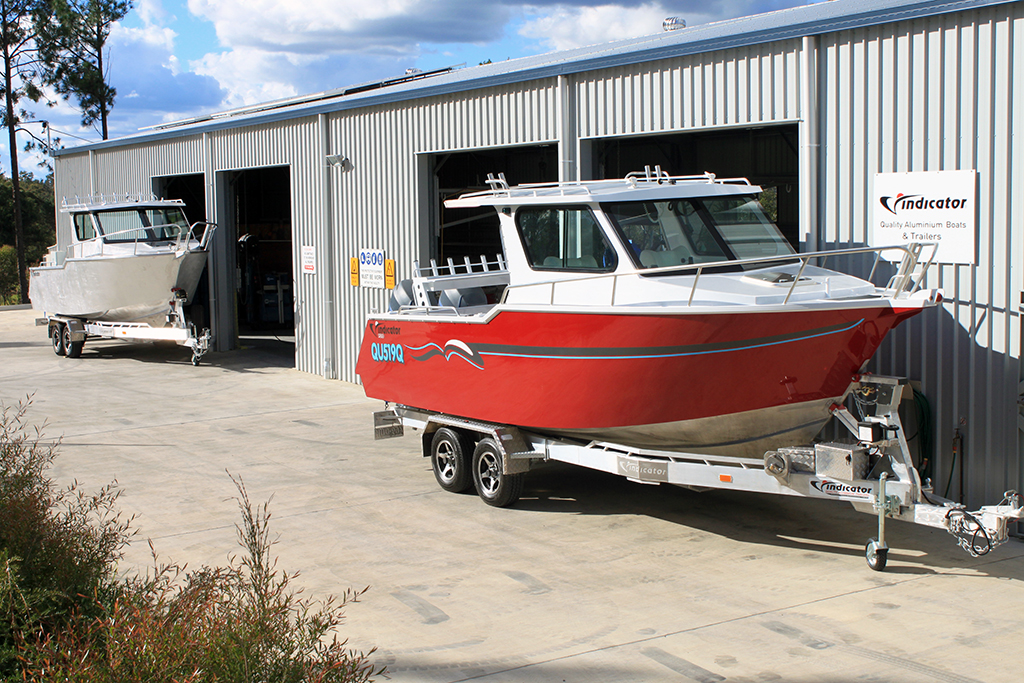
Aluminium boats have become increasingly popular throughout Australia, particularly among anglers and offshore boating enthusiasts.

Modern plate aluminium boats are incredibly strong, durable and designed to handle Australia’s demanding boating conditions. They’re often chosen by people who regularly fish offshore, explore remote waterways or want a boat that’s built to withstand years of hard use with minimal fuss.

Some of the advantages of aluminium boats include:

  • Outstanding strength and durability
  • Excellent impact resistance
  • Lower overall towing weight
  • Easier launching and retrieving
  • Lower maintenance requirements
  • Ideal for fishing and offshore adventures
  • Excellent long-term resale value

Today’s premium plate aluminium boats also deliver a much quieter and smoother ride than many people expect, making them equally suitable for family boating as they are for serious fishing.

Fibreglass Boats

Fibreglass boats have long been admired for their smooth, flowing lines and refined finish.

Many family cruisers, bowriders and larger recreational boats are built from fibreglass because it allows designers to create stylish interiors with moulded seating, storage compartments and comfortable entertaining spaces.

Fibreglass boats are often chosen by families who enjoy cruising, water sports or spending long days relaxing on the water.

Some of the advantages of fibreglass boats include:

  • Premium finish and appearance
  • Excellent interior styling
  • Comfortable family layouts
  • Smooth ride in many conditions
  • Wide range of recreational designs
Which One Should You Choose?

Rather than asking whether aluminium or fibreglass is better, ask yourself a different question.

Which boat best suits the way I want to spend my time on the water?

If your priority is serious fishing, offshore capability, strength and long-term durability, a quality aluminium boat may be the ideal choice. If your boating is focused on family cruising, entertaining and water sports, a fibreglass boat may better suit your lifestyle. Both can provide many years of enjoyment when matched to the right owner.

The important thing is choosing the boat that fits your needs—not simply following the latest trend.

6. New Boat or Used Boat?

This is where Watson’s Marine Centre can really shine. You inspect used boats every day, so you can give buyers advice that most dealers simply can’t. That practical expertise is exactly the kind of content that builds authority and earns enquiries.

ok the next one

This is one of the sections where Watson’s Marine Centre has a real competitive advantage.

You don’t just sell boats—you service them, repair them, inspect them and see the problems hidden beneath the shiny gelcoat or fresh paint. That’s knowledge most buyers don’t have.

Let’s use that to build trust rather than simply sell.

Should You Buy a New or Used Boat?

There isn’t a right or wrong answer.

Both new and used boats can provide years of enjoyable, reliable boating when you choose wisely.

The important thing is understanding the advantages and potential risks of each before making your decision.

Buying a New Boat

For many people, owning a brand-new boat is the fulfilment of a lifelong dream.

Everything is new. You know the complete history of the boat, the engine and the trailer, and you’ll enjoy the confidence that comes with manufacturer warranties and the latest technology.

A new boat also allows you to customise many features to suit your own boating style, including electronics, seating layouts, lighting, live bait tanks, trolling motors and other accessories.

Some of the advantages of buying new include:

  • Full manufacturer’s warranty
  • Latest hull and engine technology
  • Modern electronics and safety equipment
  • Ability to customise the boat to your needs
  • No hidden history or previous damage
  • Greater confidence and peace of mind
Buying a Used Boat

Buying a quality used boat can represent excellent value and allow you to purchase a larger or better-equipped rig within your budget.

However, not every used boat is a bargain.

A boat may look immaculate on the outside while hiding expensive mechanical or structural problems that aren’t immediately obvious during an inspection.

Engines, steering systems, trailers, electrical wiring, electronics and safety equipment all require careful evaluation before you commit to buying.

A professional inspection can often identify problems that could save you thousands of dollars in unexpected repairs.

If You’re Buying a Used Boat, Don’t Judge It by Appearance Alone

A clean hull and polished paintwork don’t always tell the full story.

Before purchasing any used boat, it’s worth having it inspected by an experienced marine workshop.

A thorough inspection should include:

  • Engine compression testing
  • Electronic engine diagnostic reports (where available)
  • Gearbox and propeller inspection
  • Steering system inspection
  • Trailer brakes, bearings and suspension
  • Electrical system and battery testing
  • Fuel system inspection
  • Hull condition and structural checks
  • Operation of electronics and onboard equipment
  • Verification that all safety equipment is current and serviceable

The small cost of a professional pre-purchase inspection can provide valuable peace of mind and may prevent expensive surprises after the sale.

The Right Advice Can Save You Money

Whether you’re considering a brand-new boat or a used rig, don’t be afraid to ask questions.

A reputable marine dealer should be happy to explain the boat’s history, discuss its suitability for your needs and help you understand any future servicing or maintenance requirements.

Buying with confidence starts with good advice, and the more information you have before making your decision, the more enjoyable your boating experience is likely to be.

7. Choosing the Right Outboard Motor

Your outboard motor is much more than just a way of getting from A to B.

It influences your boat’s performance, fuel economy, reliability, safety and overall enjoyment every time you head out on the water.

Choosing the right engine isn’t simply about buying the biggest horsepower available. It’s about selecting an outboard that’s correctly matched to your boat, the way you use it and the loads you’ll normally carry.

Bigger Isn’t Always Better

Many people assume that more horsepower automatically means a better boat.

While adequate power is important, fitting an engine that’s larger than recommended by the manufacturer is not only unsafe—it may also be illegal.

Conversely, an underpowered boat can struggle to get onto the plane, use more fuel than expected and become difficult to handle when carrying passengers or travelling in rough conditions.

The ideal outboard is one that allows your boat to perform efficiently, safely and comfortably across a wide range of boating conditions.

Think About How You’ll Use Your Boat

Before choosing an engine, consider:

  • Will you regularly fish offshore?
  • How many people will normally be on board?
  • Will you often carry camping gear, dive equipment or large ice boxes?
  • Do you tow skiers or inflatable tubes?
  • How far do you normally travel?
  • Is fuel economy a priority?
  • Will you often encounter rough water?

These factors all influence the horsepower that’s best suited to your boat.

It’s More Than Just Horsepower

Even the best outboard won’t perform at its best if it’s not set up correctly.

The engine should be matched with the correct propeller, mounted at the proper height and balanced to suit the boat’s hull design.

When these elements work together, you’ll enjoy:

  • Better fuel economy
  • Faster planing
  • Improved acceleration
  • Better handling
  • Reduced engine strain
  • More comfortable cruising
  • Greater overall performance

Correct rigging can make a remarkable difference to how a boat performs on the water.

Reliability Matters

Whether you’re fishing close to home or travelling many kilometres offshore, reliability should always be a top priority.

Routine servicing, quality fuel, regular maintenance and professional installation all play an important role in ensuring your outboard performs reliably for many years.

When you’re returning home after a great day on the water, there’s nothing more valuable than complete confidence in the engine behind you.

8. Don’t Overlook the Trailer

When buying a boat, it’s easy to focus on the hull, the outboard and the electronics.

Unfortunately, many buyers give very little thought to the trailer.

Yet every boating adventure begins and ends with it.

A quality trailer doesn’t just carry your boat—it plays a vital role in safety, reliability and ease of use. Whether you’re travelling five kilometres to your local boat ramp or towing hundreds of kilometres for an offshore fishing trip, your trailer needs to perform just as reliably as your boat.

Choosing the Right Trailer

A well-designed trailer should be correctly matched to the size and weight of your boat.

It should launch and retrieve smoothly, tow comfortably behind your vehicle and provide stable, predictable handling on the road.

When comparing trailers, look for features such as:

  • A strong, well-engineered frame
  • Quality brakes and suspension
  • Correctly positioned rollers or skids
  • Reliable wheel bearings and hubs
  • Easy launching and retrieval
  • High-quality winch and safety chain
  • Durable lighting and electrical connections
  • Good corrosion resistance

A trailer built specifically for your boat will usually perform far better than one that’s been adapted to fit.

Think About Where You’ll Be Towing

Consider how and where you’ll use your trailer.

Will you be:

  • Launching every weekend?
  • Travelling long distances?
  • Towing on rough country roads?
  • Launching in saltwater every trip?
  • Heading away on extended holidays?

The answers to these questions will help determine the type of trailer that’s best suited to your needs.

Aluminium or Galvanised?

Both aluminium and galvanised trailers have their place.

Galvanised trailers continue to provide excellent value and have proven themselves over many years of recreational boating.

Aluminium trailers, however, have become increasingly popular with serious boat owners because they’re lighter, highly resistant to corrosion and ideal for frequent saltwater use. They also require less ongoing maintenance and can provide many years of dependable service when properly cared for.

The right choice depends on your budget, towing requirements and how often you use your boat.

A Great Trailer Makes Boating Easier

A quality trailer makes every trip more enjoyable.

Launching is quicker, retrieving is easier, towing is more stable and you’ll have greater confidence every time you head for the water.

Because no matter how good your boat is, it still needs a dependable trailer to get you there safely.

9. Choosing the Right Electronics and Accessories

Modern boats are more capable than ever before, thanks to the rapid development of marine electronics and onboard technology.

While it’s easy to become excited by large screens and the latest gadgets, the best accessories are the ones that improve your safety, confidence and enjoyment every time you head out on the water.

The right equipment should suit the way you boat—not simply be added because it’s popular.

Essential Electronics

For most recreational boaters, quality marine electronics are among the best investments you can make.

Depending on the type of boating you enjoy, consider equipment such as:

  • GPS Chartplotter
  • Fish Finder / Sounder
  • VHF Marine Radio
  • EPIRB or PLB
  • Navigation Lights
  • Battery Management System
  • Electric Anchor Winch

These items not only make boating easier but can also play an important role in keeping you safe if conditions change unexpectedly.

Fishing Technology Has Changed the Game

For keen anglers, today’s technology offers opportunities that were unimaginable only a few years ago.

Modern systems can help locate structure, identify fish, navigate accurately to offshore reefs and safely return to your favourite fishing spots.

Depending on your style of fishing, you may wish to consider:

  • Live Sonar
  • High-definition CHIRP Sounders
  • Side and Down Imaging
  • Electric Trolling Motors with GPS Position Hold
  • Radar for offshore boating
  • Autopilot systems
  • Digital engine displays

Choosing the right combination of electronics can improve both your fishing success and your overall boating experience.

Don’t Forget Comfort and Convenience

It’s often the small additions that make the biggest difference over years of ownership.

Popular accessories include:

  • Bait boards
  • Live bait tanks
  • Deck wash systems
  • Extra rod holders
  • Shade canopies or hard tops
  • Comfortable seating
  • Additional storage solutions
  • Underwater and cockpit lighting
  • USB charging points
  • Quality stereo systems

These features can make every day on the water more enjoyable for both serious anglers and families alike.

Buy What You’ll Actually Use

One of the biggest mistakes buyers make is trying to fit every available accessory to their new boat.

In reality, the best setup is one that’s tailored to your boating lifestyle.

Start with the essentials, then add equipment that genuinely enhances the way you use your boat.

A thoughtfully equipped boat is usually far more enjoyable than one filled with expensive technology that’s rarely used.

10. The Dealer You Choose Is Just as Important as the Boat You Buy

Buying a boat isn’t like buying a television or a barbecue.  It’s a significant investment, and one that should provide your family with many years of enjoyment.

The relationship with your dealer shouldn’t end the day you drive out of the yard—it should be the beginning of a long partnership. A reputable marine dealer doesn’t simply sell boats. They help you choose the right boat, correctly match the outboard, ensure the trailer is properly set up, fit the right electronics, explain how everything works and support you long after you’ve taken delivery.

Experience Matters

The marine industry is built on knowledge and experience. A dealership that has spent decades helping Australian boaters has usually encountered just about every situation imaginable. They understand which boats perform well in local conditions, what equipment works best, how to correctly set up a boat and, just as importantly, what mistakes buyers often make. That experience can save you time, money and disappointment.

Look Beyond the Showroom

A shiny showroom is impressive—but what happens after the sale?

Before choosing a dealer, ask yourself:

  • Do they have a fully equipped service workshop?
  • Can they service the engine they sell?
  • Do they carry genuine spare parts?
  • Can they install and support marine electronics?
  • Do they offer warranty support?
  • Will they be there in five or ten years if you need help?
  • Do they have experienced staff who genuinely enjoy boating?

The answers to these questions are often more important than the price written on the quote.

The Cheapest Price Isn’t Always the Best Value

Buying a boat is about much more than securing the lowest price.

The value of good advice, professional rigging, quality workmanship and reliable after-sales support can far outweigh a small saving at the time of purchase.

A properly prepared boat is safer, performs better and usually provides a far more enjoyable ownership experience.

Ask Questions ?

Never feel pressured into making a decision.

A good dealer will welcome your questions and take the time to explain the differences between boats, engines, trailers and accessories.

They’ll listen carefully to how you intend to use your boat and recommend the option that genuinely suits your needs—not simply the most expensive package.

The best marine dealerships build long-term relationships, not one-day transactions.

Our Philosophy at Watson’s Marine Centre

At Watson’s Marine Centre, we believe buying a boat should be an exciting and enjoyable experience.

For more than 60 years, we’ve been helping Australian families choose boats that suit their lifestyle, budget and boating dreams.

Our advice isn’t based on selling the most expensive boat.

It’s based on helping you make the right decision.

Because when you choose the right boat, correctly set it up and have the support of an experienced marine dealership behind you, you’ll spend less time worrying about your investment and more time enjoying what boating is really all about—creating memories with family and friends on the water.

That’s the kind of boating experience we want every customer to enjoy.

The Best Investment Isn’t the Boat—It’s the Memories You’ll Make

Boats have a remarkable way of bringing people together. Some of life’s best moments don’t happen in the driveway or sitting on the lounge—they happen on the water.

Watching the sun rise over a calm ocean. Catching your child’s first fish. Exploring a secluded beach that can only be reached by boat.

Sharing stories with family and friends while the boat gently drifts at anchor. Watching dolphins ride alongside the bow or seeing whales on their annual migration.

These are the moments that make boating so special. Years from now, you probably won’t remember what electronics were fitted or how much horsepower your outboard produced.

You’ll remember the places you explored, the people who shared the journey and the memories you created together. That’s why choosing the right boat is so important.

The right boat gives you the confidence to explore further, the comfort to stay out longer and the reliability to enjoy every trip knowing you can return home safely.

Take your time. – Ask plenty of questions. – Compare your options carefully. – Choose a boat that suits your lifestyle—not just your budget. – And most importantly…

Choose a boat that you’ll look forward to using every chance you get.

We’re Here to Help

At Watson’s Marine Centre, we know that buying a boat is a major decision, and we’re here to help you make the right one.

Whether you’re buying your very first boat, upgrading to something larger or simply looking for honest advice, our experienced team is always happy to answer your questions.

We’ll take the time to understand how you want to enjoy the water and help you choose a boat, outboard, trailer and accessories that suit your lifestyle for years to come.

There’s no pressure. No confusing sales talk. Just practical advice from people who genuinely love boating. Because after more than 60 years helping Australian families get out on the water, we’ve learnt one simple truth…

The right boat doesn’t just take you places. – It creates memories that last a lifetime.

Guide to Choosing the Right Boat

Choosing the right boat is about finding the best match for the way you and your family intend to use it. Whether you’re planning offshore fishing adventures, exploring local waterways or towing your boat around Australia, understanding the bigger picture can help you make a more informed decision. Before making your final choice, we recommend reading our Boat Towing Weights Explained guide to ensure your vehicle and boat are properly matched. Understanding modern Boat Steering Systems can also help you select the right setup for your boating needs, while our Boating Safety Tips and Storm Preparation for Boats guides provide valuable information to help you enjoy safer and more enjoyable days on the water.

Boat Buyer’s Checklist

Before you make your final decision, take a few minutes to work through this checklist. If you can confidently tick every box, you’ll be well on your way to choosing a boat that will provide many years of safe, enjoyable boating.

✓ Your Boating Lifestyle

☐ I know how I’ll mainly use my boat.

☐ I’ve chosen a boat that’s designed for those activities.

☐ I’ve thought about how my boating needs may change over the next 5–10 years.

✓ Boat Size

☐ The boat has enough room for my family and friends.

☐ It has adequate storage for my boating and fishing gear.

☐ I’m comfortable towing, launching and retrieving it.

☐ I have somewhere suitable to store it.

✓ Where I’ll Be Boating

☐ The boat is suitable for the waterways I’ll use most often.

☐ It has adequate fuel capacity for my typical trips.

☐ It provides the level of safety and comfort I expect.

✓ Boat Construction

☐ I’ve compared aluminium and fibreglass boats.

☐ I understand the advantages of each.

☐ I’ve chosen the one that best suits my lifestyle.

✓ Outboard Motor

☐ The engine is correctly matched to the boat.

☐ The horsepower is suitable for my needs.

☐ The propeller and engine setup have been professionally selected.

✓ Trailer

☐ The trailer is designed specifically for the boat.

☐ It has quality brakes, suspension and bearings.

☐ It suits my tow vehicle.

☐ I’m confident towing it safely.

✓ Electronics & Accessories

☐ I’ve chosen the equipment I’ll actually use.

☐ My navigation and safety equipment meets my boating needs.

☐ I’ve allowed room in my budget for future upgrades if required.

✓ Safety Equipment

☐ All required safety equipment is included.

☐ Lifejackets are the correct size for everyone on board.

☐ My EPIRB, flares and VHF radio are suitable for the way I boat.

✓ Your Dealer

☐ I trust the dealer I’m buying from.

☐ They have an experienced workshop.

☐ They offer servicing and after-sales support.

☐ They’ve answered all of my questions.

Final Question

Before signing the paperwork, ask yourself one final question.

“Can I picture my family enjoying this boat for many years to come?”

If the answer is yes, you’ve probably found the right boat.

If you’re still unsure, don’t rush.

Take your time, ask more questions and seek advice from an experienced marine dealer.

Buying the right boat is one of the best investments you’ll ever make in your family’s lifestyle.

Still Not Sure Which Boat Is Right for You?

Our experienced team has been helping Australian families choose the right boat for over 60 years.

Whether you’re comparing aluminium and fibreglass, deciding on the right boat size, choosing an outboard or simply don’t know where to start, we’re happy to help.

No pressure. No obligation. Just honest advice from people who love boating.

📞 Call Watson’s Marine Centre

📍 Visit our Gympie showroom

✉️ Send us an enquiry